.svg)

.png)
.webp)
It is common for you to hear the term “Zone 2 training” on podcasts or around athletes or biohackers thrown around like a secret weapon. Well, so did we, and, because of that, we went digging.
Behind this term is Dr. Iñigo San-Millán, a professor at the University of Colorado School of Medicine and Head of Performance of the cycling team UAE Team Emirates. Let us understand what it exactly means and its power for metabolic health
%20(1).png)
What’s Zone 2?
Zone 2 refers to a specific exercise intensity. Around 60 to 70% of your maximum heart rate, your body starts to rely on a mix of fat and carbohydrate to produce energy and engage muscle fibers. Normally, at this pace, you should be at a steady and sustained effort. Almost like a boring 3 mile run.
Mitochondrial Connection
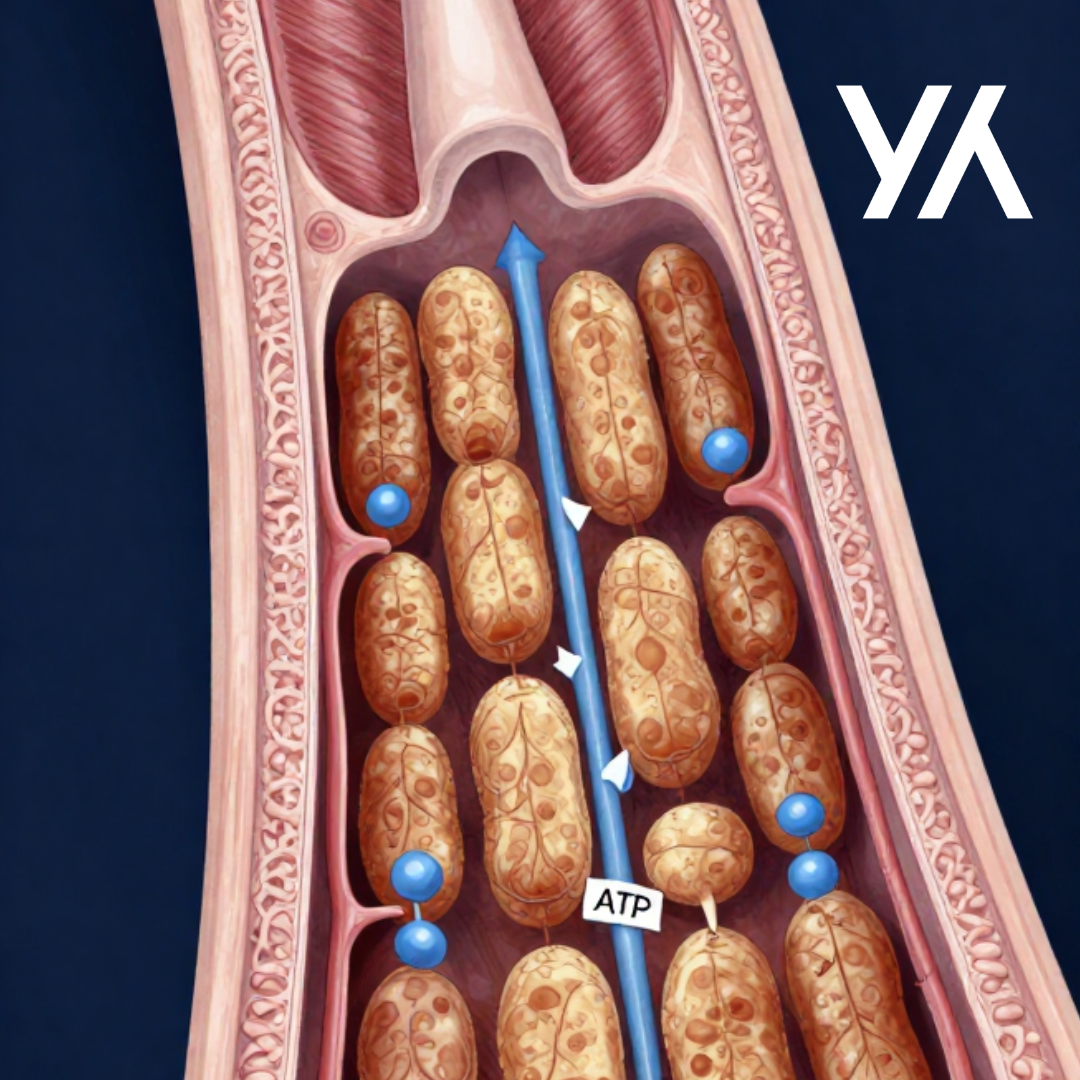
Dr. San-Millán’s study focuses on one specific part of the cell: the mitochondria, also known as the “powerhouse of the cell”.
According to the professor, trained individuals tend to have more and larger mitochondria than untrained people, directly improving the body’s ability to metabolize efficiently and to decrease the risk of metabolic diseases such as Type 2 diabetes.
In summary, mitochondrial health is a big marker on how well our body ages.
Through his physiological testing, San-Millán also found that Zone 2 intensity produced the greatest improvements in both mitochondrial functional capacity and performance.
Why “Slow” Beats “Intense”
This is the big question: shouldn’t harder workouts create better results?
Well, according to San-Millán, although high-intensity work is valuable for other systems, like cardiovascular conditioning, sustained, moderate effort of Zone 2 stimulates mitochondrial genesis specifically. This means that your body can build more energy sources in prolonged and “easy” aerobic stress rather than short sessions of high-intensity workouts.
At this intensity, your body also becomes better at using fat as fuel and clearing lactate, improving metabolic flexibility.
How Much Do I Need It?
While organizations like the CDC and AHA recommend roughly 150 minutes of moderate aerobic activity per week, San Millán states that, in order to optimize mitochondrial health, that number should increase to 300-400 minutes weekly. This way, a minimum of 60 minutes per session is typically recommended to properly stimulate an adaptive response, while staying in Zone 2 for the full duration of the workout.
👉 Try our FREE 14-day trial right now!
Where Guidance and Accountability Come in
The real, general problem with this concept is that, in order to improve mitochondrial health you have to maintain consistency, which is its own challenge entirely.
Having a certified personal trainer that holds you accountable for your workout and can establish a plan and identify your heart rate zones, structure a plan that actually fits your schedule and recovery capacity is potentially the best solution to meet your goals and maintain an active and healthy lifestyle.
For a training method uniquely dependent on precision and consistency, that kind of ongoing guidance can be the difference between sticking with a habit or fizzling it out in three weeks.
.png)
In Conclusion
Zone 2 became not only a trend, but a grounded strategy for building a more resilient metabolism, one mile at a time.
Dr. San-Millán’s study reveals repeatedly that the path for better metabolic health, sustained energy and long-term performance doesn’t always need to mean running through your hardest effort; sometimes it is through patience and time.

 FACEBOOK


